


Unlock the secrets to a flawless fit. Learn how to accurately measure your body for tango blouses, skirts, dresses,...
Tangonaut Shop - Exquisite, yet Affordable Luxury
Welcome to Tangonaut, your one-stop destination for all things tango! Nestled in the heart of the tango community, our shop celebrates the passion, elegance, and artistry of this beautiful dance.
Here, you’ll find a curated selection of high-quality tango shoes, designed for both comfort and style, ensuring you look and feel your best on the dance floor. Our apparel collection features elegant dresses, tailored suits, and accessories that embody the spirit of tango, perfect for classes, milongas, or performances.
Whether you’re a seasoned dancer or just starting your journey, our knowledgeable staff is here to guide you in finding the perfect items to enhance your tango experience.
Join us for workshops, events, and community gatherings that celebrate the joy of tango. At Tangonaut we’re not just a shop; we’re a vibrant community of dancers united by our love for this timeless art form. Come dance with us!
Latest posts
-
 Your Tango Clothes Can Fit 'Like a Glove' Too! - Measurement GuideRead more
 -
 Men's Tango Trousers: The Essential Guide for an Impeccable First Impression and Fluid MovementRead more
Discover the perfect tango trousers for men: choose by cut, fabric, occasion, and dance style. A complete guide for...
-
 Oxford or Derby Shoes for Tango? What Experienced Dancers Choose and WhyRead more
How do experienced tango dancers choose Oxford versus Derby shoes depending on the context, and how can these shoes...
-
 How Long Do Tango Shoes Really Last? A Guide to Lifespan and CareRead more
Understanding durability, wear signs, and maintenance for every dedicated dancer’s favorite pair. Tango shoes are...
-
 How to Choose the Right Heel Height for Tango Shoes?Read more
How to Choose the Right Heel Height for Tango Shoes? Heel height on tango shoes affects comfort, balance and...
-
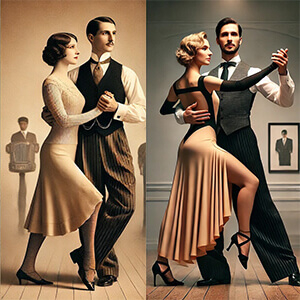 The Evolution of Tango Attire: From Traditional Elegance to Contemporary StyleRead more
Tango Outfits - How They Evolved from Traditional Elegance to Contemporary Style Over the decades, tango outfits...
-
 The Evolution of Tango Shoe Design Over TimeRead more
From Tradition to Modernity – The Evolution of Tango Shoe Design Tango shoes have undergone a significant...
-
 Foot Health for Dancers – Choosing the Right Shoe SupportRead more
Choosing the Right Shoe Support for Your Feet Health Foot health is essential for tango dancers, as it directly...
-
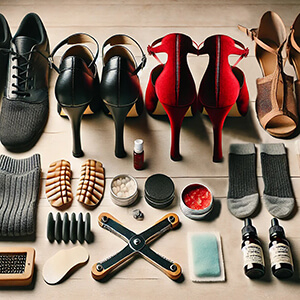 Tango Shoes – Breaking Them in Safely, Without Breaking Your FeetRead more
Breaking Tango Shoes in Safely Breaking in tango shoes is an essential step for every dancer to achieve both comfort...
-
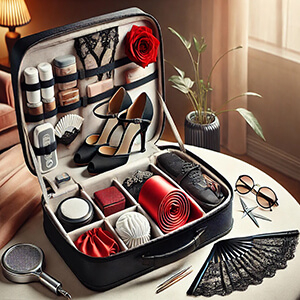 Travel Essentials for Tango EnthusiastsRead more
Packing the Perfect Dance Bag – Travel Essentials for Tango Enthusiasts This guide covers everything tango dancers...
Blog categories
Search in blog

Your Tango Clothes Can Fit 'Like a Glove' Too! - Measurement Guide
Introduction
Tango dance is an art of movement, connection, and expression. Just as important as the steps and music is the attire, which must offer both freedom of movement and elegance. Buying tango clothes online can be a challenge, as sizes often vary between brands and patterns. This article will guide you through the process of correctly measuring your body, helping you interpret size charts and choose the perfect clothing that will highlight your grace and style on the dance floor.
But why is precise body measurement crucial? In tango, every movement counts, and ill-fitting attire can restrict your freedom or cause discomfort. Choosing the right size clothes is vital for:
- Comfort: Long hours of dancing require clothing that doesn't pinch, slip, and allows your skin to breathe.
- Performance: Perfectly fitting clothes offer full freedom for complex movements, from giros to boleos and ganchos.
- Aesthetics: A well-chosen outfit enhances your silhouette, contributing to your elegance and presence on the dance floor.
- Durability: Properly fitting clothes are less prone to strain and premature wear.
Table of Contents
- Why Accurate Measurements Matter for Tango Clothes
- Necessary Tools for Measurement
- How to Measure Your Body Correctly – General Measurements
- Specific Measurements for Men (Pants, Shirts)
- Specific Measurements for Women (Blouses, Skirts, Dresses, Pants)
- Anatomical Differences and the Importance of Adaptation
- Additional Tips for Choosing the Perfect Size
1. Why Accurate Measurements Matter for Tango Clothes
Every body is unique, and tango clothing cuts are designed to flatter the silhouette and facilitate movement. Accurate measurements help you to:
- Avoid errors: Reduce the risk of buying the wrong sizes, saving you time and effort.
- Maximize comfort: Ensure that your clothing won't bother or restrict you during the dance.
- Achieve a flawless look: Clothes that fit perfectly contribute to an elegant and confident presence.
2. Necessary Tools for Measurement
To get precise measurements, you will need:
- A flexible tailor's tape measure.
- Someone to help you (recommended for accuracy).
- A mirror (to check your posture).
- A notebook and pen to jot down your measurements.
- Loose clothing or underwear, to avoid adding unnecessary bulk.
3. How to Measure Your Body Correctly – General Measurements
These measurements are essential and apply to both men and women:
- Bust/Chest Circumference: Measure around the fullest part of your bust (for women) or chest (for men), under your arms, ensuring the tape measure is horizontal.
- Waist Circumference: Identify the narrowest part of your torso, usually at your belly button or slightly above. Measure without pulling the tape tight.
- Hip Circumference: Measure around the fullest part of your hips and glutes, making sure your feet are together.
- Shoulder to Waist Length: Measure from the base of your neck (the highest point of your shoulder where it meets your neck) down to your natural waistline.
- Arm Length: Measure from the top of your shoulder, over your bent elbow, down to your wrist.
4. Specific Measurements for Men (Pants, Shirts)
Male anatomy requires special attention to shoulder width, neck circumference, and leg length for impeccable tango clothing cuts.
For Shirts:
- Neck Circumference: Measure around the base of your neck, leaving a one-finger gap for comfort.
- Shoulder Width: Measure from the tip of one shoulder bone to the other, across your back.
- Sleeve Circumference (Biceps): Measure around the thickest part of your upper arm.
For Pants:
- Inseam Length (Inner Leg Seam): Measure from your crotch down to your ankle (or desired pant length), along the inside of your leg.
- Thigh Circumference: Measure around the fullest part of your thigh.
5. Specific Measurements for Women (Blouses, Skirts, Dresses, Pants)
The female body, with its distinct curves, requires precise measurements to ensure a perfect fit and freedom of movement specific to tango dancing.
For Blouses and Dresses:
- Bust Circumference: Measure around the fullest part of your bust, passing the tape measure over the nipples and ensuring it is horizontal across your back.
- Under Bust Circumference: Measure directly below your breasts, ensuring the tape measure is horizontal.
- Torso Length (shoulder to hip): Measure from the base of your neck (at the shoulder) over your bust, down to your hip level.
- Back Length (base of neck to waist): Measure on your back, from the base of your neck down to your natural waistline.
For Skirts and Dresses:
- Skirt/Dress Length: Measure from your waist (or shoulders for dresses) down to the desired length (above the knee, below the knee, full length).
For Pants (Women):
- Inseam Length: Similar to men's, from the crotch down to the ankle.
- Thigh Circumference: Similar to men's, around the fullest part of your thigh.
6. Anatomical Differences and the Importance of Adaptation
It's essential to understand that anatomical differences between men and women significantly influence the cut and fit of clothes. Men's designs focus on straighter lines, shoulder width, and comfort in the chest and hip areas for expansive leg movements. For women, cuts emphasize the bust, waist, and hips, often with elastic materials that allow maximum flexibility in skirts and dresses.
"A good tailor measures not just the body, but the dream you wear."
— Charles Jourdan, renowned shoe and accessory designer, but whose philosophy also applies to high-class tailoring.
These differences necessitate separate approaches in measurement and size selection, ensuring that each garment complements your silhouette and movements.
7. Additional Tips for Choosing the Perfect Size
- Consult Each Brand's Size Chart: Every manufacturer has its own standards. Compare your measurements with the specific chart of the brand you intend to purchase from.
- Material Matters: Elastic materials (lycra, jersey) offer greater flexibility and adapt more easily, while rigid ones (certain types of cotton, wool) require more precise measurements.
- Tango Style: Think about your dance style. Do you need more freedom for sacadas or ganchos? Choose a size that allows for this.
- Try On and Adjust: If possible, try on clothes before buying or be prepared to make minor adjustments.
Additional Reading
You can also explore related information on this blog:
- How to Measure Your Feet Correctly for the Ideal Tango Shoes
- How to Take Good Care of Your Tango Shoes
- Tango Shoes – Breaking Them in Safely, Without Breaking Your Feet
- Men's Tango Trousers: The Essential Guide for an Impeccable First Impression and Fluid Movement
Or, if you feel ready... simply start shopping:
Shoes - Clothes - Accessories
Related posts
-
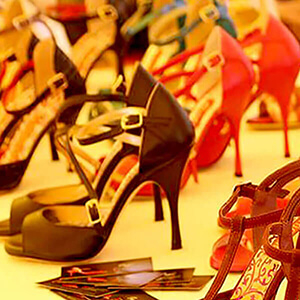 Brief Guide: How to Choose the Perfect Tango Shoes
Your Guide to Elegance and Grace - How to choose the best tango shoes with heel height, soles and shape perfectly...Read more
Brief Guide: How to Choose the Perfect Tango Shoes
Your Guide to Elegance and Grace - How to choose the best tango shoes with heel height, soles and shape perfectly...Read more -
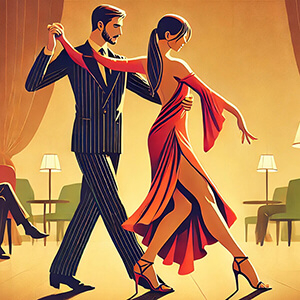 Brief Guide: How to Choose the Perfect Tango Outfit
Elegance, Comfort and Style in Tango Dance Steps, a Brief Guide on How to Choose the Perfect Tango OutfitRead more
Brief Guide: How to Choose the Perfect Tango Outfit
Elegance, Comfort and Style in Tango Dance Steps, a Brief Guide on How to Choose the Perfect Tango OutfitRead more -
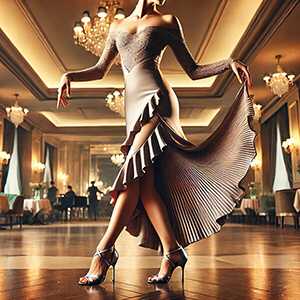 How to choose the best tango outfit for milongas or practicas for women
Elegance, Comfort and Style in Tango Steps - How to choose the best tango outfit for milongas or practicas for womenRead more
How to choose the best tango outfit for milongas or practicas for women
Elegance, Comfort and Style in Tango Steps - How to choose the best tango outfit for milongas or practicas for womenRead more -
 How to choose the best tango outfit for milongas or practicas for men
Style and Comfort in Balance - How to choose the best tango outfit for milongas or practicas for menRead more
How to choose the best tango outfit for milongas or practicas for men
Style and Comfort in Balance - How to choose the best tango outfit for milongas or practicas for menRead more -
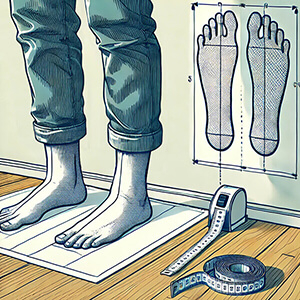 How to Measure Your Feet Correctly for the Ideal Tango Shoes
Extended Guide - How to correctly measure each foot size to find the right tango shoe sizeRead more
How to Measure Your Feet Correctly for the Ideal Tango Shoes
Extended Guide - How to correctly measure each foot size to find the right tango shoe sizeRead more
Leave a comment